

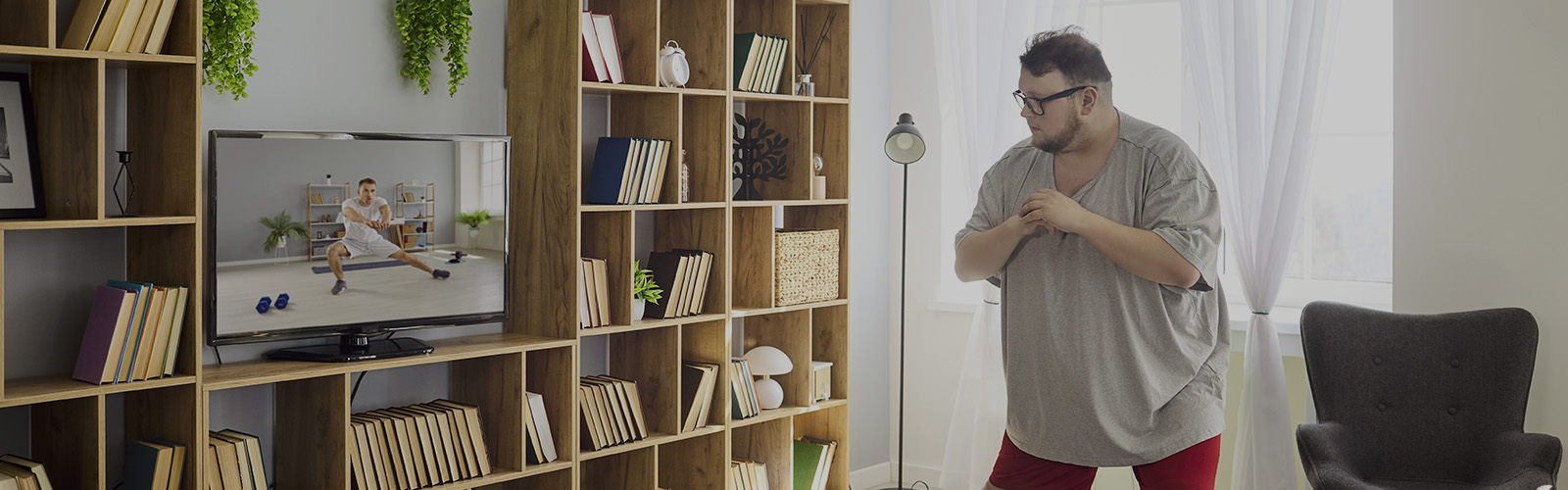
Online misinformation is harmful to anyone’s health and wellbeing. But it can be especially damaging for people who are already vulnerable and seeking support.
Whether someone’s goal is to lose weight with exercise and nutrition, or manage a specific health condition, they are seeking guidance about their health and fitness at a time when trust matters more than anything.
When misleading advice is presented to someone as expert guidance, without any evidence of professional expertise, the consequences can be potentially harmful. This impact is often felt most strongly by those who are already vulnerable.
That’s why the Trust Your Trainer campaign wishes to make it easier for people to identify and place their trust in qualified fitness professionals online.
The harm on physical and mental wellbeing
These harms have been felt first-hand by Active IQ Ambassador Robyn Drummond, who now works as a fitness instructor after recovering from an eating disorder when she was younger. She believes that greater awareness is needed around the potential harm that can be caused by unregulated, unqualified advice.
She said: “It is incredibly important to me to continue raising awareness about how harmful the misinformation we see online can be.
“As someone who has recovered from an eating disorder, I strongly believe that the fact anyone can freely give out advice needs to change, as many people do not realise how damaging this can be to their audience.
“With social media being accessed from younger ages, it is more important than ever that we become stricter about the information being shared online.”
For people who are struggling with their body image or confidence, Robyn’s experience highlights how vulnerable people are to advice that could be putting their health at risk, and why they need a trusted professional by their side.
Why vulnerable audiences are more susceptible
When people are looking for advice online about how to make a positive change to their health, content that promises quick, simple results can look particularly appealing.
It’s those same motivations that are being exploited by misleading advice, which often prioritises selling products or keeping people scrolling.
Weight management specialist Kate Donohoe, from Boom Weight Loss and Fitness, says this is one of the greatest risks posed by online misinformation.
She added: “I find it terrifying seeing the incorrect information and claims made by people. They often appeal to those who are potentially vulnerable, and a lot of the information I’ve seen is quite frankly, dangerous. The industry needs to be regulated and potential clients should be asking to see evidence of qualifications.”
The Trust Your Trainer campaign aims to address misleading advice that appears credible, calling for measures on social media platforms to easily identify those regulated, qualified professionals.
The hidden consequences of misinformation
While there are more immediate, physical risks that come with following poor fitness advice online, such as injuries, misinformation can also seriously harm people’s confidence, mental wellbeing and even their finances.
Individuals may spend considerable amounts of money on products or programmes that promise results but don’t deliver. Repeated failures in these methods can leave people feeling disappointed, frustrated with themselves and uncertain who to trust, which is why the Trust Your Trainer campaign wishes to shine a light on qualified professionals who can be trusted.
Personal trainer Laura Bailey agrees that people deserve access to regulated information that meets professional standards when it comes to supporting their health and wellbeing.
She said: “I support this campaign to help more people, especially women, return to the basics of health and fitness. I want to see women navigate healthy ageing with confidence, without wasting money on false claims, supplements or gimmicks that simply don’t work.
“Most importantly, this campaign helps restore trust in qualified health and fitness professionals who put long-term health first.”
Why vulnerable audiences deserve trustworthy guidance
When people look online for health and fitness advice, they’re expected to judge the credibility of the content themselves. But if people are seeking to learn this knowledge, how are they supposed to know how to distinguish between evidence-based guidance, and opinions presented as facts?
That’s why it’s important that people can easily identify qualified professionals and help them make informed decisions about who they trust for health and fitness advice.
The Trust Your Trainer campaign is calling for greater transparency online to help people access trusted, qualified advice - especially those who are more vulnerable to the harms of misinformation.
Show your support by signing our manifesto today.