

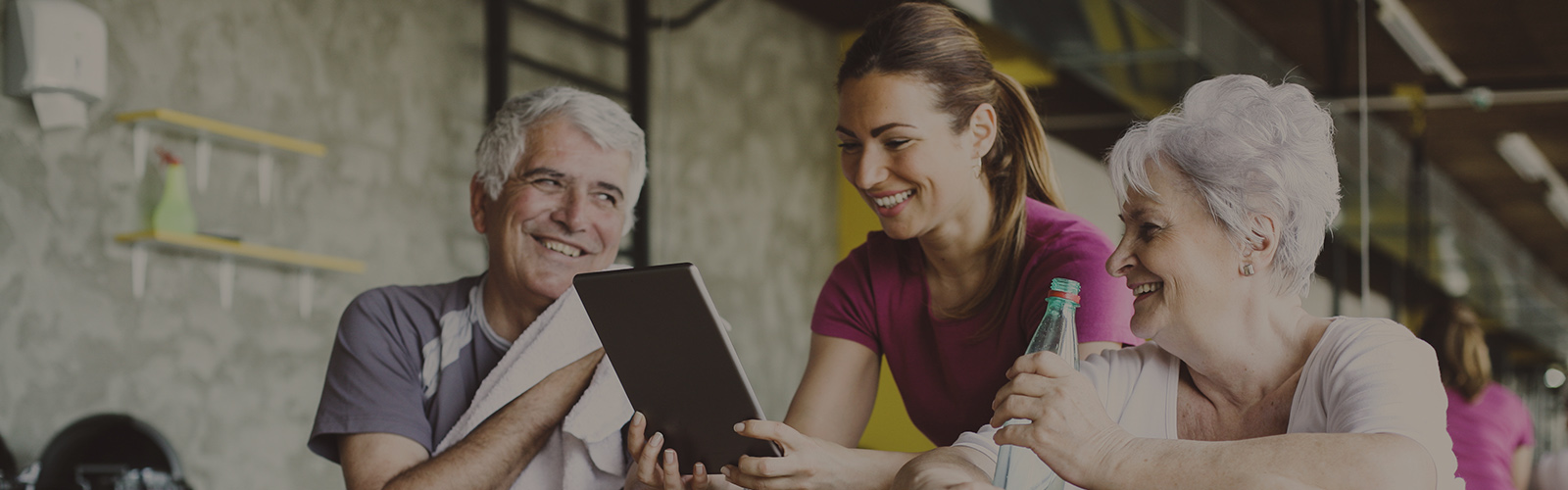
Posted on 27 November 2025

By David Stalker: Chairman at ukactive, Independent Advisor at Active IQ
The fitness and wellbeing sector is overlooking one of the biggest opportunities of our time: our ageing population. Not only is this a missed commercial opportunity, but it’s also a missed chance to make a profound impact on the health of our nation.
The UK’s population is ageing rapidly. More than 11 million people (18.6% of the population) are currently aged 65 or over, and projections suggest the number of people aged 50+ will grow by 19.3% between 2024 and 2044, adding more than 4 million people. The population aged 85+ is expected to surge by nearly 68% in the same period. These aren’t abstract statistics; they are a clear sign of where the real demand and opportunity lie for our sector.
But simply living longer is not the same as living well. UK life expectancy stands at around 78.6 years for men and 82.6 years for women, yet the number of healthy life expectancy years lived in good health is closer to 63 years. That gap between lifespan and health span represents years of potential decline, frailty, and lost independence. And that is precisely where our industry can make one of the greatest contributions to public well-being.
There remains a misconception that working with older adults requires a completely new or different skill set. It doesn’t. A bicep curl is still a bicep curl; the movement doesn’t change simply because the client is older. What changes are the load, the pacing, the coaching style, and the confidence-building. We don’t need a brand-new workforce to meet this demand; we need to empower and upskill the passionate instructors and personal trainers we already have. The fundamentals of movement stay the same.
For those looking to specialise further, Active IQ has launched a suite of new qualifications, including the Active IQ Level 3 Technical Specialist in Optimising Training for the Ageing Client (Award). Training providers and personal trainers can leverage this to gain the knowledge, skills, and confidence to work effectively with older adults and position themselves as experts in this rapidly growing sector. But even without this formal qualification, there should be no excuse for trainers not to seek additional mentorship, guidance, or to proactively develop these skills. The opportunity is too great to wait.
Yet, much of the fitness conversation today is dominated by the latest innovations and wellbeing technologies, red light therapy, cold immersion, heat therapies, and high-tech recovery tools. These all have their place, but they don’t replace the essentials of strength, cardio, mobility, and balance, delivered by real people who understand how to coach safely and effectively. The future of healthy ageing will not be built by products alone; it will be delivered by instructors who know how to help people stay active and strong across their lifespan.
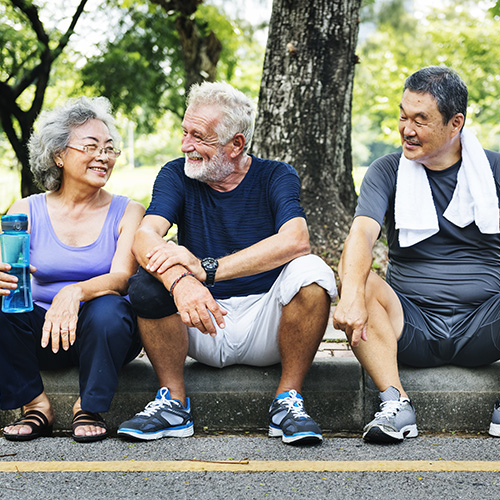 There are excellent qualifications available for instructors who want to specialise in working with older adults, and these are incredibly valuable. But we should be clear: we’re not training a different species. Older adults are simply individuals whose bodies require thoughtful progression, patience, and understanding. For younger trainers in particular, this isn’t a barrier; it’s a chance to broaden their expertise and open new, deeply rewarding career pathways.
Reward is an important point here. Many trainers work within their comfort zone, often with younger clients focused on aesthetics or fitness goals that produce visible, camera-ready results. But what could be more satisfying than helping someone stand up from a chair unassisted for the first time in years, or helping them regain the confidence to walk around their garden?
These transformations may not make for dramatic social media posts, but the impact on someone’s independence and dignity is enormous. A client fitting into a smaller pair of jeans is great; a client regaining their freedom is incomparable.
This is also where the fitness and medical sectors naturally meet. Medical advances will continue to keep people alive longer, but those extra years must be accompanied by strength, mobility, and engagement if they’re to be lived well. Our industry has the ability and the responsibility to partner with the medical sector to close the gap between lifespan and health span. If we want to contribute to a genuinely healthier nation, this is the moment to step up.
The ageing population represents the most significant growth opportunity for personal trainers, health clubs, and wellness providers. This is not a niche. This is the future. Rather than avoiding older adults, we should be embracing them, recognising that while their age is different, their fundamental need for movement, strength, and confidence is the same as everyone else’s.
So here is my call to our sector: step into this opportunity. You already have the foundations or can easily acquire the additional skills to make a profound difference in helping people live not just longer, but better. Let’s build the workforce that supports active ageing. Let’s create the conditions for people to stay strong and capable from 30 to forever.
There has never been a more important or more rewarding opportunity for our industry to lead.