


Posted on 30 June 2025

By Robyn Drummond, Active IQ Ambassador
This month, we’re delighted to hand over the blog to one of our incredible ambassadors, Robyn Drummond, who recently attended Elevate for the very first time as part of the Active IQ team.
Robyn is a passionate coach, educator, and advocate for a more holistic, compassionate approach to health and fitness — and her reflections from Elevate perfectly capture the positive momentum building in our industry.
From exciting announcements like our new Level 3 Health and Wellbeing Coaching qualification to powerful conversations around GLP-1 medications, women’s health, and the future professional recognition of fitness professionals, Robyn offers an authentic, thoughtful perspective on where we’re headed — and why it matters.
We’re proud to have her in our ambassador team, and even prouder to share her insights here. Over to Robyn...
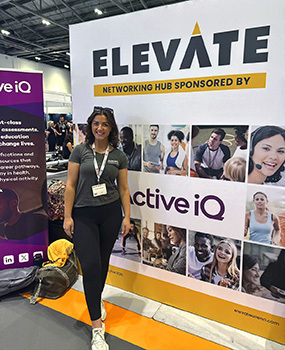
Last week, I had the privilege of attending the Elevate Conference in London as part of the Active IQ Ambassador team, and it completely exceeded my expectations.
It was my first time at Elevate, so I wasn’t quite sure what to expect but I’ve been to a fair few health and fitness events over the years, and this one was up there with the best. The talks were full of really useful, real-life takeaways - stuff I could apply straight away in my own coaching and content and left me feeling hugely inspired. So, here’s what I took away from the day.
Active IQ’s wellbeing qualification
One of the biggest highlights was hearing more about Active IQ’s new Level 3 Health and Wellbeing Coaching qualification, launching later this year.
The qualification includes six modules and has been designed to help coaches support clients in a more holistic, human way. It’s flexible, you can apply what you learn in 1-1 coaching, small groups, or even corporate wellbeing settings. The focus on positive psychology and neuroscience really matches how I coach, and I'm quite geeky about neuroscience, so I’m really excited to go through it myself.
 What stood out most for me was the shift in language and mindset. Rather than focusing on “weight management,” this course introduces the idea of “weight health”, a much more compassionate and lifestyle approach. There’s also a strong focus on behaviour change, mental resilience, and building habits around things like sleep, stress, nutrition, and movement, the kind of real-life conversations I’m having with my clients every day. For years, many people have lived their lives constantly focused on ‘weight’ and it’s now time to shift away from this.
I personally feel these qualifications are going to make a huge difference. We’ve spent years in a system that only celebrates outcome-based goals – numbers on scales, calories, clothing sizes, but true change happens when we start focusing on behaviour goals, as this is what causes long-term habit change. Helping people feel proud of daily choices instead of punishing themselves for not reaching a number is where the real long-term change happens.
GLP1 medications
One of the most talked about topics of the day was GLP-1 medications like Ozempic and Mounjaro, and how fitness professionals can best support clients who are using them.
It’s a growing area, and let’s be honest, many coaches still feel unsure how to talk about it or even judge it without understanding the full picture. The discussion at Elevate was totally different. It was open, fair, and really clear that our role isn’t to criticise, it’s to support.
Hearing from professionals like Dr Morgan Toerien from Bodyline was really reassuring. He acknowledged the growing number of medications being developed to reduce side effects like muscle loss, which can happen when people are on very low-calorie intakes. But he was clear, medication alone isn’t the answer. You still need to resistance train to preserve muscle mass, and that’s where our role as fitness professionals becomes more important than ever.
"You still need resistance training to prevent muscle loss alongside these weight loss medications. That’s where our role as fitness professionals is critical." – Dr Morgan Toerien
We also heard about the wider health improvements being observed in people using GLP-1s: better sleep, lower blood pressure, reduced inflammation, improved cardiovascular health, and even reduced risk of some cancers from losing body fat. But again, the emphasis was on support, not shortcuts.
I’ll be really honest, when I first heard about GLP-1s, I was pretty closed off to it. I struggled to get on board. But over time, I’ve listened, I’ve educated myself through Active IQ’s three-part webinars where you can learn about them. My main concern remains with people using these medications without guidance and skipping the movement and nutrition support that’s so essential. And this is why we, as coaches, need to be shouting louder than ever about education. The medications shouldn’t be abused by people who don’t need them; it’s truly unnecessary and dangerous, but they can help people who need them, alongside lifestyle changes.
Right now, more people are health-curious than ever, so this is actually a brilliant opportunity for us to step up and help people build habits that last. Which is why Module 5 of the new qualification stood out to me as it covers working with people in larger bodies, programming for real life, and understanding underserved groups. There’s even talk of this becoming a standalone unit for coaches who want to go deeper into this area. And I think that’s 100% needed.
If you want to watch, you can view Active IQ and Bodyline's GLP-1 webinars here.
Women’s health and professional status
I also attended an amazing menopause talk at the Technogym stand. As someone who delivers menopause education myself, it was genuinely reassuring to hear that the approaches I use are aligned with the current research and professionals. It really reinforced that people need the right kind of support during this life stage, not generic advice. The conversation around women’s health is growing, and we need more of it in every space.
Lastly, one more positive step forward came from CIMSPA, who is announcing more professional recognition for fitness professionals. This could help bridge the gap between the fitness industry and healthcare, something we’ve been talking about for a long time. If this comes into place properly, it could be a real game changer in terms of collaboration and client outcomes, especially alongside the rise of weight loss medications.
This new direction from Active IQ feels so aligned with where the industry should be heading; less about quick fixes, more about understanding people as whole humans; less about the body and more about mindset, behaviour change, and resilience.
I can see a really positive shift happening in the industry, and it felt really evident at Elevate. From the movement towards professional status and being recognised for more than “just a personal trainer,” to the collaboration between healthcare and the fitness industry, and the growing shift toward long-term, behaviour-based support... it's such a positive direction.
It’s a really exciting and important time to be working in health and fitness, and I’m honestly just really grateful to Active IQ for the opportunity to be part of these conversations and attend such an inspiring day - and be part of this growing industry.